
Posted 23.10.26
Beyond Clinical Care: The £19.4 Billion Impact of the UK Veterinary Sector
When most people think of the veterinary profession, they picture small animal practices treating family pets or farm...
1 minute read


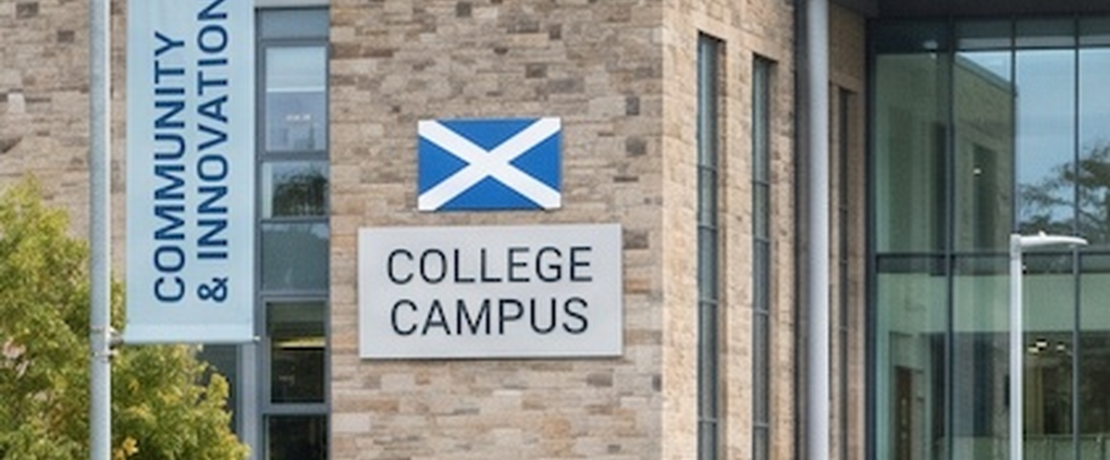
Colleges aren’t just classrooms; they are economic and social engines. In Scotland, there’s no ‘one size fits all’ – a successful college must reflect its region, confronting local challenges while identifying the growth areas that matter to the people living there.
At BiGGAR Economics we’ve worked with several colleges across Scotland to support them in demonstrating their economic and social impacts. Recent examples include Dumfries and Galloway College, Glasgow Kelvin College and Dundee and Angus College. While these institutions have different approaches, all are place-based at their root, drawing their impacts through understanding what communities need and building partnerships.
Dumfries and Galloway College: Mitigating Population Decline
A key challenge in Dumfries and Galloway is a decline in the working-age population, projected to drop 14.8% by 2047. Dumfries and Galloway College (DGC) provides a strong local anchor for students to remain in the area who might otherwise leave to seek higher qualifications and never return.
DGC acts to stabilise the region against outmigration and address high levels of “Access Deprivation”. “Access Deprivation” is the difficulty of reaching essential services like education, and 39% of the region’s small areas are in the most access-deprived quintile in Scotland.
By aligning its curriculum with the Net Zero Transition and local renewable energy projects (totalling over 1,700 MW), DGC ensures students get not just a certificate, but also a path to a high-quality career.
Glasgow Kelvin College: Tackling Deprivation
Glasgow Kelvin College operates in some of the most deprived communities in Scotland, facing high levels of unemployment and poor wellbeing. The college interrupts the cycle of deprivation by offering numerous pathways into education – from traditional higher education to tailored outreach for soft-skill development.
By providing a positive student experience and skills sought by employers, the college helps individuals reach their full potential. This is evidenced by the fact that 40.5% of its qualifying students come from Scotland’s most deprived areas, significantly higher than the national average.
Dundee and Angus College: A Transformational Vision
To breathe vitality back into the local economy, Dundee and Angus College (D&A) has proposed a new model that integrates employability services directly with skills development. This joined-up approach represents a transformative shift in delivering education, moving the college from a traditional provider to a proactive regional anchor.
They have proposed a campus regeneration, and in aspiring to achieve ambitious regional employment growth, are estimated to generate a substantial return on investment. This approach ensures that D&A is not just reacting to the economy but actively shaping it by aligning its curriculum with the Tay Cities Clean Growth agenda.
A Common Metric for Social Impact
Colleges generate impact by adding to Gross Value Added (GVA) through staff, student, and supply chain spending, as well as boosting productivity. However, the impact goes much deeper than earnings.
Using the HM Treasury-recommended WELLBY approach, we can put a rigorous value on hard-to-measure outcomes. By valuing one WELLBY at £15,958 in 2024 prices, we show that a lifetime of wellbeing benefits has a measurable place on a balance sheet. Combined with the high social value of graduates entering roles in health, social care, and engineering, the total benefit to the nation is clear.
Despite unique challenges – from depopulation to severe deprivation – colleges remain crucial catalysts for growth. By delivering the right skills at the right time, they aren’t just teaching; they are securing the nation’s future.
Posted 09.11.26
Our latest news
Posted 23.10.26
Beyond Clinical Care: The £19.4 Billion Impact of the UK Veterinary Sector
When most people think of the veterinary profession, they picture small animal practices treating family pets or farm...
1 minute read

Posted 12.10.26
Securing the Future of Scottish Brewing and Distilling
The alcohol sector makes a major contribution to the Scottish economy, amounting to around £ billion GVA/year and...
1 minute read

Posted 08.10.26
Health Holland and the Dutch Life Sciences and Health Ecosystem
Beyond the Subsidy: Why Active Stewardship is the Key to Crowding in R&D Building a successful Life Sciences...
1 minute read