
Posted 12.10.26
Securing the Future of Scottish Brewing and Distilling
The alcohol sector makes a major contribution to the Scottish economy, amounting to around £ billion GVA/year and...
1 minute read


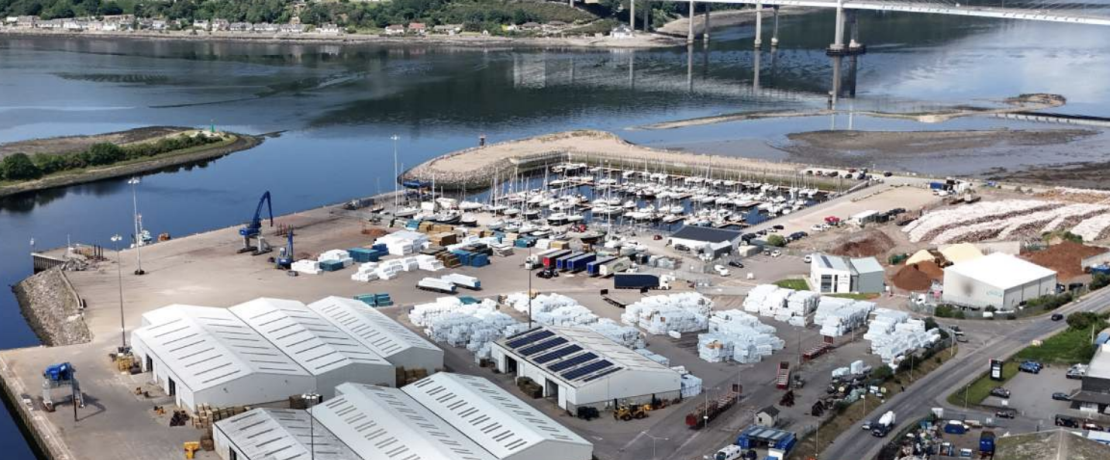
BiGGAR Economics was commissioned to assess the current economic impact of the Port of Inverness. We also assessed how that impact could change as facilities are improved and extended as part of a ten-year strategic plan.
The Port of Inverness is a Trust Port. This means it reinvests all surpluses and operates on behalf of its stakeholders, which includes port users and the local community. The Port of Inverness is the busiest cargo port in the Highlands and the 9th busiest in Scotland. It is a vital component of the Highland economy that helps underpin several important sectors, including onshore wind, tourism, and timber manufacturing.
Our analysis showed that in 2024, the Port of Inverness generated an economic impact of £22.9 million GVA/year for the Scottish economy. This means every £1 of income received by the Port generates £10 GVA for the Scottish economy.
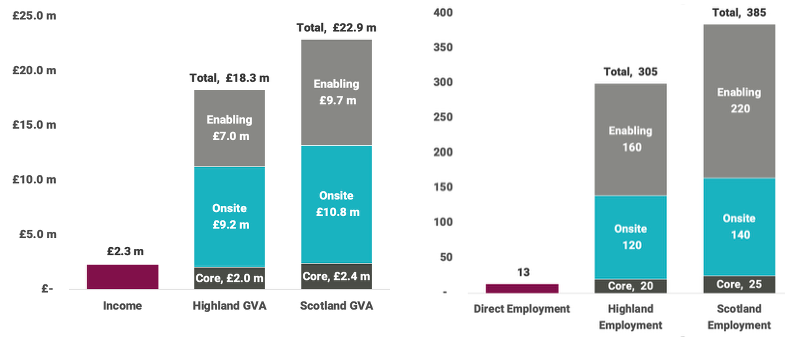
Highlands and Islands Enterprise estimates more than £100 billion could be invested in transformational projects in the Highlands between 2025 and 2040. The Port of Inverness can help make this happen by enhancing the regional port capacity needed to unlock the potential of renewables. Our study shows strategic investment planned by the Port could increase its economic impact by £18 million per year within ten years.
For further information on our work with the Port of Inverness, see the Port of Inverness Annual Report 2025
Posted 30.01.26
Our latest news
Posted 12.10.26
Securing the Future of Scottish Brewing and Distilling
The alcohol sector makes a major contribution to the Scottish economy, amounting to around £ billion GVA/year and...
1 minute read

Posted 08.10.26
Health Holland and the Dutch Life Sciences and Health Ecosystem
Beyond the Subsidy: Why Active Stewardship is the Key to Crowding in R&D Building a successful Life Sciences...
1 minute read
Posted 14.09.26
Economic Impact of Crystal Rig 4 Wind Farm
BiGGAR Economics was commissioned by Fred. Olsen Renewables to assess the economic impacts of the construction of the...
1 minute read