
Posted 23.10.26
Beyond Clinical Care: The £19.4 Billion Impact of the UK Veterinary Sector
When most people think of the veterinary profession, they picture small animal practices treating family pets or farm...
1 minute read


It has been 28 years since Scotland last played in a World Cup. In that time, how has our relationship with the game changed?
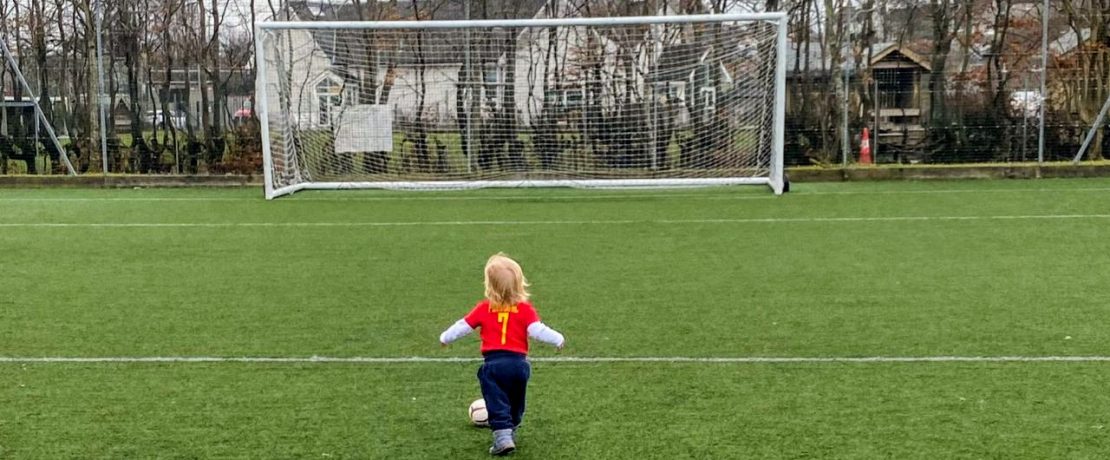
Since 1998, the proportion of adults who report that they regularly play football has halved. This decline started around 2006 and has accelerated throughout the 2010s. In the same time period, men’s waist sizes have increased by 7cm.
Now only 5% of adults play football regularly.
This decline has been driven by younger adults. Those under the age of 34 have seen a significant decline in football participation. Those who are older have not changed as much. Men are still 9 times more likely to play football than women
The story is not the same across Scotland. Despite Stirling Albion (Mon’ the Binos!) only narrowly avoiding relegation from the fourth tier of Scottish football this year, Stirling has the greatest share of footballers of all Local Authorities. It probably helps that Stirling University is Scotland’s University of Sporting Excellence.
Despite this overall decline, there has been one major area of success in football participation since 1998, and that has been the growth of grassroots and professional female football in Scotland. The Scottish FA started recording team players across all ages and genders in 2012. Since 2014, the number of female registrations has quadrupled, and is now the most popular sport for women and girls.
It should also be pointed out that Scotland’s Women’s team qualified for the World Cup in 2019. And continued the tradition of the Men’s team of not getting past the group stage.
The decline in overall participation in the sport is not due to a lack of interest. Since the 2002/03 season, the average weekly attendance at Scottish football matches has increased from 19,736 to 21,934. More people are going to games and Scotland has the highest level of football attendance per capita. This change has not been the same across all levels of Scottish football. Support for lower-level teams has been falling, while those in the Championship and Premier League have seen their attendance grow.
This increase in attendance has helped to drive a significant economic impact associated with football. A recent study by the Fraser of Allander Institute found that the combined activity of the professional clubs and their supporters contributed £820 million to the Scottish economy and supported over 14,300 jobs.
Football contributes £820 million GVA to the Scottish economy
Since 1998, there have been several studies that have looked at the economic, social and well-being benefits associated with both playing and supporting football in Scotland. In addition to the economic benefits above, there has also been work commissioned by the Scottish FA, that looks at the value of playing has on our sense of community and improvements in health.
The social and health benefits of playing football are worth £1.1 billion each year – SROI
We know more about the benefits, yet still we play less.
Play more football.
Posted 19.06.26
Our latest news
Posted 23.10.26
Beyond Clinical Care: The £19.4 Billion Impact of the UK Veterinary Sector
When most people think of the veterinary profession, they picture small animal practices treating family pets or farm...
1 minute read

Posted 12.10.26
Securing the Future of Scottish Brewing and Distilling
The alcohol sector makes a major contribution to the Scottish economy, amounting to around £ billion GVA/year and...
1 minute read

Posted 08.10.26
Health Holland and the Dutch Life Sciences and Health Ecosystem
Beyond the Subsidy: Why Active Stewardship is the Key to Crowding in R&D Building a successful Life Sciences...
1 minute read