
Posted 19.06.26
Football in Scottish Society since France ’98
It has been 28 years since Scotland last played in a World Cup. In that time, how has...
1 minute read


BiGGAR Economics was commissioned by Fred. Olsen Renewables to assess the economic impacts of the construction of the Crystal Rig IV Wind Farm. This included an analysis of actual contract expenditure for the developer and for its Tier 1 contractors across civil engineering, turbines and forestry.
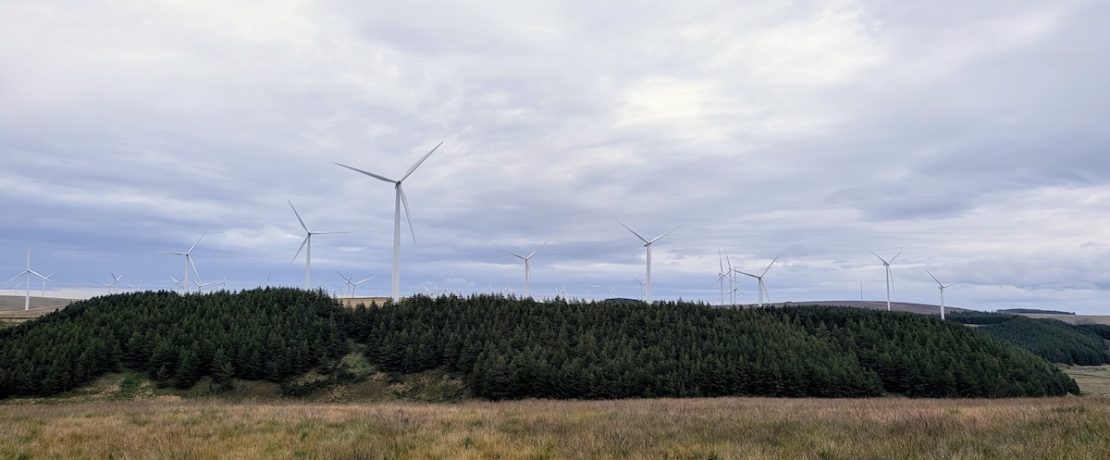
Crystal Rig IV is an onshore wind farm extension located in the Lammermuir Hills in the Scottish Borders. The development features 11 turbines, with a total installed capacity of up to 48.2MW. Through this project, Fred. Olsen Renewables stimulated economic impact locally in South East Scotland, as well as across Scotland and the UK.
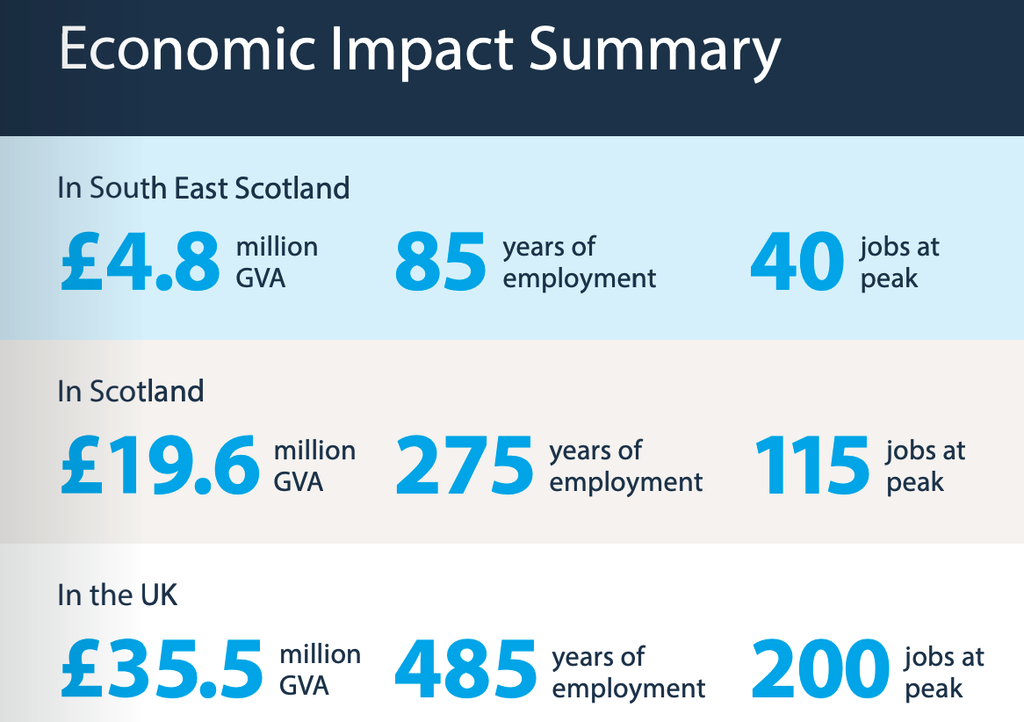
BiGGAR Economics analysis found that the construction of Crystal Rig IV wind farm generated almost £5 million of Gross Value Added (GVA) and up to 40 jobs within South East Scotland (defined as East Lothian and the Scottish Borders). Across Scotland as a whole, the project generated almost £20 million GVA and supported up to 115 jobs.
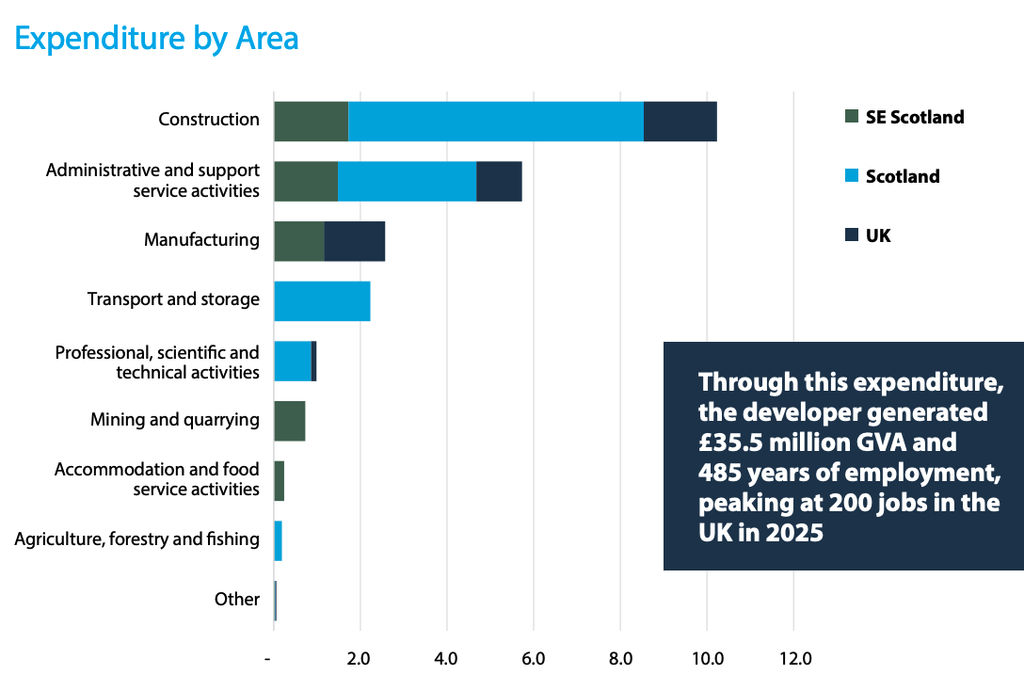
The analysis also found that the largest sector that benefits was the construction sector, in which over £10 million was spent, predominantly in Scotland.
Fred. Olsen Renewables committed to evaluating the economic and supply chain impact of the Crystal Rig IV project before construction began.
Evidence matters.

The level of public support for onshore wind is high in Scotland and the UK. However, support can not be assumed and in many instances there are local concerns about these projects. Developers are facing increasing skepticism around employment projections produced before a project is built. Demonstrating the value that projects actually bring to an area can have a significant effect on getting stakeholders on side. Recent research by Aspect (From Ambition to Alignment) has found that demonstrating clear evidence-based narratives on economic benefits resonates with communities and their representatives.
Crystal Rig IV spent 40% more in the local area than it predicted during the planning process
Economic Impact Assessments during the planning stages often need to be conservative in their assumptions. Analysing the economic impact of a project after it had been constructed, using actual data, can demonstrate that the developer has exceeded the expectations set out during the planning process. This is what happened with Crystal Rig IV, which exceeded its expenditure estimates for both the Local Area of South East Scotland and Scotland as a whole.
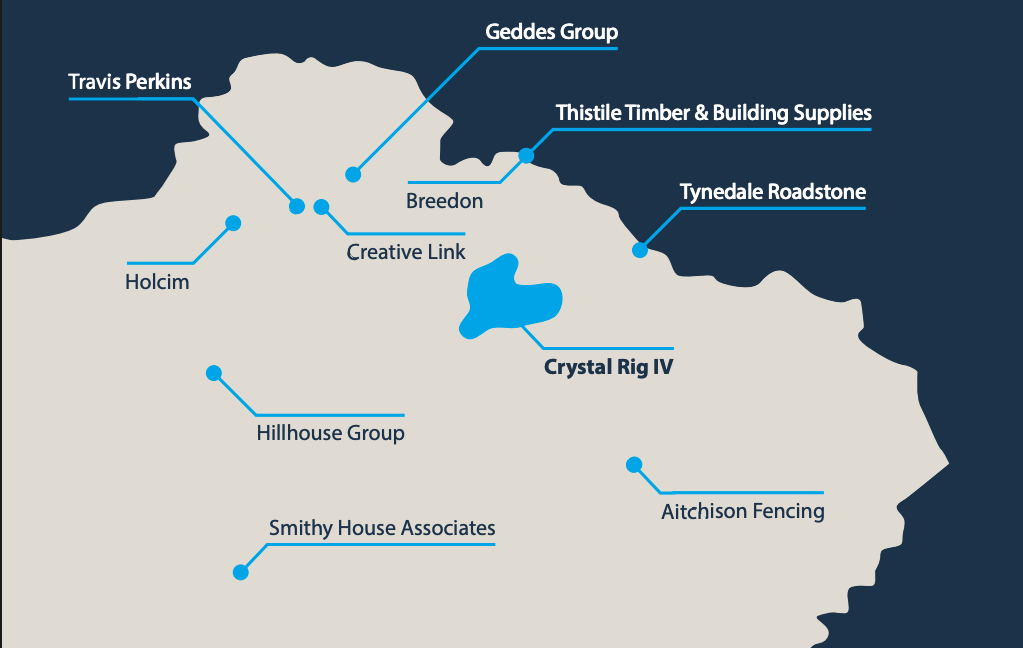
The analysis was also able to highlight specific companies that had been involved in supporting the project. This is not something that can be done before construction because contracts will not have been awarded. Crystal Rig IV and its primary civil contractor RJ McLeod were able to identify the individual companies within the Scottish Borders and East Lothian that had directly worked on the project. The map of these companies is shown below.
The report (prepared by BiGGAR Economics and designed by Firefly) for Fred. Olsen Renewables can be downloaded from the link below:
To discuss this further, or how to evaluate the actual impact of your project, please get in touch.
Posted 14.09.26
Our latest news
Posted 19.06.26
Football in Scottish Society since France ’98
It has been 28 years since Scotland last played in a World Cup. In that time, how has...
1 minute read

Posted 03.06.26
A Bespoke ESG Framework for the North Coast 500
An Environmental, Social, and Governance (ESG) framework is more than a reporting requirement; it is a roadmap for...
3 minute read

Posted 19.05.26
Harris Tweed helps build Resilient Communities
A new report from BiGGAR Economics examines the socio-economic impact of the Harris Tweed® sector. Born of domestic...
1 minute read